
Your website sits at the heart of your business growth, but it might not be working as hard as it could to bring in new customers. Many businesses struggle to turn their website visitors into actual leads, missing out on potential sales every day.
The key to getting more leads from your website lies in combining smart design choices, strategic content placement, and proven conversion tactics that guide visitors toward taking action.
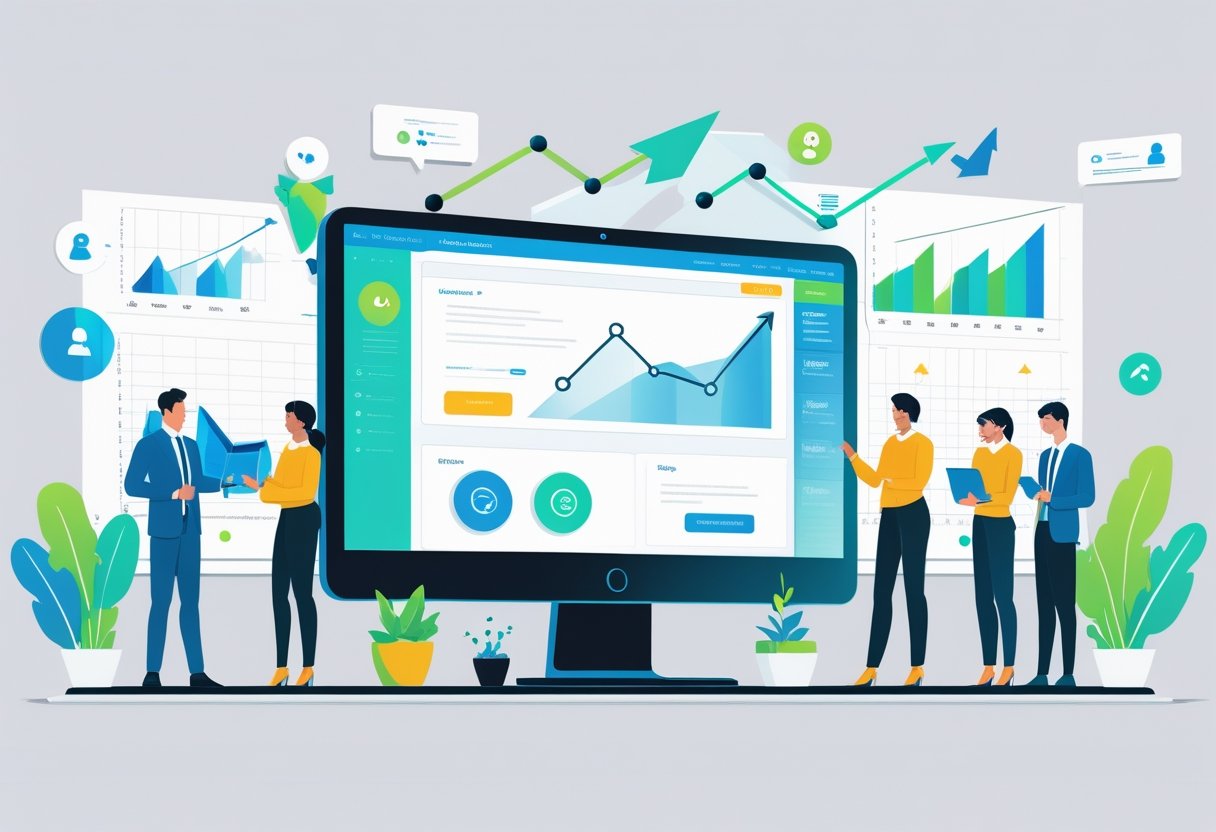
Successful lead generation happens when businesses understand what makes visitors want to share their contact information. This means creating valuable offers, designing forms that feel easy to complete, and placing the right messages in the right spots.
Effective lead generation strategies focus on user experience and making it simple for people to connect with your business. The process involves several moving parts that work together to create a system that attracts, engages, and converts website visitors.
From landing pages that grab attention to email sequences that nurture relationships, each piece plays a role in turning strangers into customers.
Key Takeaways
- Optimizing your website design and user experience makes visitors more likely to become leads
- Creating valuable content and lead magnets gives people a reason to share their contact information
- Using the right technology and nurturing strategies helps convert more leads into paying customers
Understand Lead Generation on Your Website
Website lead generation turns visitors into potential customers by collecting their contact information in exchange for valuable content or services. The process involves understanding how buyers make decisions and creating touchpoints that capture high-quality prospects at different stages of their journey.
What Is Website Lead Generation?
Lead generation is a plan for getting potential customers to share their contact details and agree to receive marketing communications. The process transforms anonymous website visitors into identifiable prospects.
Website lead generation happens when visitors provide information like email addresses, phone numbers, or company details. This typically occurs through forms, surveys, or sign-ups for newsletters and free resources.
Common lead generation methods include:
- Contact forms on service pages
- Newsletter subscription boxes
- Free trial registrations
- Ebook or whitepaper downloads
- Webinar sign-ups
- Quote request forms
The goal is identifying prospects who show genuine interest in products or services. These leads enter the sales pipeline where businesses can nurture relationships and guide them toward purchases.
The Buyer’s Journey and Sales Funnel
The buyer’s journey consists of three main stages that shape how prospects interact with websites. Understanding these stages helps businesses create targeted lead generation strategies.
Awareness Stage: Prospects realize they have a problem but don’t know the solution. They search for educational content and general information.
Consideration Stage: Prospects understand their problem and research different solutions. They compare options and evaluate vendors.
Decision Stage: Prospects are ready to choose a solution. They need specific information about pricing, features, and implementation.
The sales funnel mirrors this journey. Top-of-funnel content attracts awareness-stage visitors. Middle-funnel resources capture consideration-stage leads.
Bottom-funnel offers convert decision-ready prospects. Effective websites provide relevant lead magnets at each stage.
Blog posts and guides work for awareness. Comparison charts and case studies suit consideration.
Free trials and consultations appeal to decision-stage prospects.
Identifying Potential Customers
Potential customers are individuals or businesses that match the ideal customer profile and show interest in offered solutions. Finding leads is the number one challenge for 61 percent of marketers.
Key characteristics of quality prospects:
- Match target demographic criteria
- Have budget for the product or service
- Show engagement with website content
- Demonstrate decision-making authority
- Face problems the business can solve
Website analytics reveal visitor behavior patterns that indicate buying intent. Time spent on product pages, multiple page visits, and content downloads signal genuine interest.
Lead scoring helps prioritize prospects based on their actions and characteristics. Points are assigned for activities like form submissions, email opens, and page views.
Higher scores indicate stronger purchase likelihood. Progressive profiling gradually collects more information about leads over time.
Initial forms ask for basic details. Subsequent interactions gather additional data about needs, budget, and timeline.
Importance of Lead Quality
Lead quality determines the effectiveness of sales efforts and marketing return on investment. High-quality leads convert at higher rates and generate more revenue than low-quality prospects.
Quality leads typically have:
- Genuine need for the product or service
- Budget to make a purchase
- Authority to make buying decisions
- Realistic timeline for implementation
- Good fit with company values and processes
Poor lead quality wastes sales team time and marketing resources. Sales representatives spend effort on prospects unlikely to convert.
Marketing budgets get consumed attracting unqualified visitors. Lead generation strategies should focus on high-intent prospects most likely to convert.
Measuring lead quality involves tracking conversion rates from lead to customer. Businesses should monitor which sources generate the best leads and adjust strategies accordingly.
Regular lead quality audits help identify areas for improvement in targeting and messaging.
Optimize Your Website for Conversions
Making your website convert visitors into leads requires focusing on three key areas: creating a smooth user experience, implementing design elements that guide visitors toward action, and ensuring your site loads quickly on all devices.
Improving User Experience
User experience directly impacts how visitors interact with your website. A well-designed experience keeps people engaged and moving toward conversion.
Navigation should be simple and intuitive. Visitors need to find what they’re looking for within seconds.
Complex menus or confusing layouts cause people to leave before converting. Page layout plays a crucial role in guiding visitors.
Important elements like contact forms and call-to-action buttons should be placed where users naturally look first. The most valuable content belongs above the fold.
Forms represent a critical conversion point. Shortening forms to only ask for essential information increases completion rates significantly.
Each additional field reduces the likelihood of submission. Clear value propositions help visitors understand what they gain by converting.
Benefits should be stated in simple terms that address specific problems or needs. Trust signals like testimonials, security badges, and contact information reduce visitor anxiety.
These elements reassure potential leads that your business is legitimate and reliable.
Implementing Effective Website Design
Strategic website design elements can significantly boost conversion rates. A/B testing different layouts and pricing structures helps identify what works best for your audience.
Call-to-action buttons need to stand out visually. Contrasting colors and action-oriented text perform better than generic phrases.
“Get Your Free Quote Now” converts better than “Submit.”
Key CTA Design Elements:
- Color: Use contrasting colors that stand out from the page background
- Text: Write action-oriented copy that clearly states the benefit
- Placement: Position buttons where users naturally expect to find them
- Size: Make buttons large enough to notice but not overwhelming
Landing pages should focus on a single goal. Each landing page should have one clear objective whether collecting email addresses or selling products.
Multiple options create confusion and reduce conversions. Visual hierarchy guides visitors through your content.
Headlines, subheadings, and bullet points break up text and make information easier to digest. Important information should be emphasized through size, color, or positioning.
Speed and Mobile Responsiveness
Website speed directly affects conversion rates. Slow loading times cause visitors to abandon pages before they convert.
Every second of delay reduces the likelihood of conversion. Mobile optimization is essential since many visitors browse on smartphones.
Forms need to be easy to complete on small screens. Buttons should be large enough to tap accurately.
Before optimizing for conversions, you need to optimize your website for search and make sure it’s working properly. Technical issues prevent conversions from happening at all.
Page load speed affects user experience and search rankings. Images should be compressed and code should be minimized.
Faster sites keep visitors engaged longer. Responsive design ensures your site works well on all devices.
Text should be readable without zooming. Navigation should work smoothly on touch screens.
Testing across different browsers and devices helps identify problems. What works on desktop might not work on mobile.
Regular testing prevents conversion losses from technical issues.
Create High-Converting Landing Pages
Landing pages that convert visitors into leads require specific elements positioned strategically to guide user attention. Businesses can increase lead capture rates by removing navigation distractions and incorporating trust signals like testimonials and case studies.
Landing Page Elements That Drive Leads
A strong headline captures attention within three seconds of page load. The headline should clearly state the main benefit visitors will receive.
The call-to-action button needs bright colors that contrast with the page background. Red, orange, and green buttons typically perform best for lead generation.
Lead capture forms should ask for minimal information initially. Name and email address generate higher conversion rates than longer forms with multiple fields.
Above-the-fold placement ensures visitors see the most important elements immediately. This includes the headline, value proposition, and primary call-to-action button.
Images should support the main message rather than distract from it. Product screenshots, benefit illustrations, or relevant photos work better than generic stock images.
Video content can improve landing page conversions by explaining complex products or services quickly. Keep videos under two minutes for optimal engagement.
Removing Distractions and Focusing Attention
Navigation menus should be removed or minimized on landing pages. Extra links allow visitors to leave before converting into leads.
Successful landing pages maintain a single focus with one primary objective. Multiple offers or messages confuse visitors and reduce conversion rates.
White space around important elements draws attention to key areas. Crowded pages make it difficult for visitors to identify the next step.
Form placement works best when positioned prominently above the fold. Secondary forms can appear after benefit explanations for visitors who need more information.
Color choices should guide the eye toward conversion elements. Use muted colors for background content and bright colors for buttons and important text.
External links should be removed entirely or moved below the fold. Each additional link provides another exit opportunity before lead capture occurs.
Strategic Use of Social Proof
Customer testimonials build trust and credibility for new visitors. Include specific results and full names when possible rather than anonymous quotes.
Case studies demonstrate real outcomes that prospects can expect. Focus on measurable results like percentage increases or dollar amounts saved.
Review ratings and star displays provide quick credibility indicators. Display these prominently near the main call-to-action button.
Company logos from recognizable clients create instant authority. Position these logos strategically to support the main value proposition.
Social proof elements should be authentic and relevant to the target audience. Industry-specific testimonials convert better than generic praise.
Trust badges and security certifications reduce anxiety about sharing contact information. Place these near form fields where visitors enter personal data.
Craft Compelling Calls-to-Action and Lead Forms
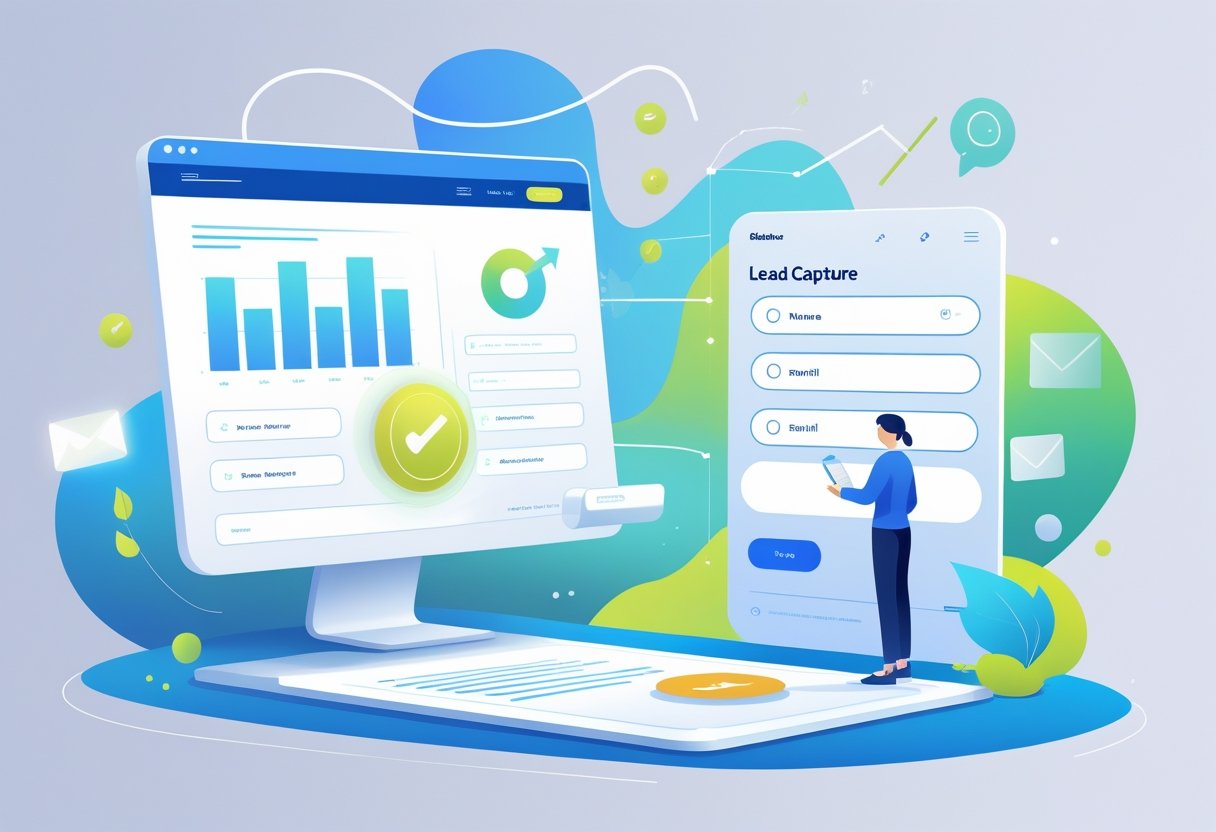
Strong CTAs guide visitors toward taking action, while well-designed lead forms capture essential contact information without creating friction.
The right placement, design, and optimization strategies can dramatically increase conversion rates.
Effective CTA Placement and Design
Strategic CTA placement makes the difference between visitors who browse and visitors who convert. Above-the-fold placement typically generates more clicks and conversions, though below-the-fold CTAs often attract higher-quality leads.
Primary CTA Design Elements:
- Color contrast: Use colors that stand out from the page background
- Button size: Make buttons large enough to click easily on mobile devices
- White space: Surround CTAs with adequate spacing to draw attention
- Directional cues: Add arrows or visual elements pointing toward the CTA
Using clear, actionable language tells audiences exactly what to do. Instead of generic phrases like “Learn More,” specific CTAs like “Download Your Free Guide” or “Get Instant Access” perform better.
Multiple CTAs throughout a page increase conversion opportunities. Design hierarchy should make the main call-to-action stand out using full-color buttons while keeping secondary CTAs as simple text links.
Lead Generation Forms: Best Practices
Lead generation forms must balance information collection with user experience. Too many fields create abandonment, while too few fields may not qualify leads properly.
Essential Form Elements:
- Field labels: Clear, descriptive labels above or inside form fields
- Required indicators: Mark mandatory fields with asterisks or color coding
- Progress indicators: Show completion progress on multi-step forms
- Error messages: Display helpful, specific error text near problematic fields
Form length directly impacts completion rates. Start with essential information like name and email address.
Additional fields can be added through progressive profiling in follow-up interactions. Mobile optimization is critical since many visitors complete forms on smartphones.
Use large input fields, appropriate keyboard types, and single-column layouts for better mobile experience.
Optimizing Contact Information Collection
Smart contact information collection focuses on gathering valuable data while respecting user privacy. The key is asking for information that directly supports the sales process.
Contact Information Priorities:
- Email address: Primary communication channel
- First name: Enables personalized follow-up
- Company name: Helps qualify business prospects
- Phone number: Optional for higher-intent leads
Value exchange drives form completion. Offer specific benefits like free resources, exclusive content, or consultation calls in return for contact details.
Making value obvious to readers increases form submission rates.
Privacy considerations build trust. Include clear privacy statements explaining how contact information will be used.
Avoid selling or sharing email addresses without explicit consent. Form validation prevents bad data entry.
Use real-time validation to check email format, required fields, and phone number structure before submission.
Develop and Promote Irresistible Lead Magnets

Effective lead magnets capture visitor contact information by offering valuable content in exchange for email addresses. The most successful options include educational guides, interactive quizzes, and exclusive trial access that directly address audience pain points.
Types of Lead Magnets That Convert
Different lead magnet formats attract varying audience segments based on their preferences and needs. Educational resources like ebooks and guides work well for audiences seeking comprehensive information.
Content-Based Lead Magnets:
- Ebooks and guides (10-20 pages)
- Checklists and templates
- Industry reports and whitepapers
- Email templates and scripts
Interactive Lead Magnets:
- Quizzes and assessments
- Contests and giveaways
- Free tools and calculators
- Video tutorials
Experience-Based Lead Magnets:
- Free trials and demos
- Webinars and virtual events
- Consultation calls
- Mini-courses
The key lies in matching the lead magnet type to the target audience’s learning style and stage in the buying journey. Visual learners respond better to infographics and video content.
Busy professionals prefer quick checklists and templates they can implement immediately.
Content Offers: Guides, Reports, and Whitepapers
Comprehensive content offers establish authority while providing substantial value to prospects. These resources work particularly well for B2B audiences and complex purchase decisions.
Guides and Ebooks should focus on solving specific problems rather than broad topics. A 15-page guide on “Email Marketing for E-commerce” converts better than a generic “Digital Marketing Guide.”
Industry Reports leverage original research and data to attract high-quality leads. Include statistics, charts, and actionable insights that readers cannot find elsewhere.
Whitepapers appeal to decision-makers seeking detailed analysis. They work best when addressing current industry challenges or emerging trends with data-backed solutions.
| Content Type | Ideal Length | Best For |
|---|---|---|
| Guides | 10-20 pages | How-to instructions |
| Reports | 6-15 pages | Industry insights |
| Whitepapers | 8-12 pages | Technical solutions |
Successful content offers include clear takeaways, professional design, and actionable steps. Gate these resources behind simple forms requesting only essential information like name and email address.
Interactive Lead Magnets: Quizzes and Contests
Interactive lead magnets engage visitors actively while collecting valuable data about their preferences and needs. These formats often achieve higher conversion rates than static content.
Quizzes work exceptionally well for personalized recommendations. A fitness website might offer a “Find Your Perfect Workout Style” quiz that provides customized exercise plans based on responses.
Contests and giveaways attract large audiences quickly but require careful planning to ensure quality leads. Prize selection should align with the target audience to avoid attracting unqualified participants.
Assessment Tools help prospects evaluate their current situation while positioning the business as a solution provider. A marketing agency might offer a “Website Performance Audit” that identifies improvement areas.
Interactive elements should provide immediate value through personalized results or recommendations. Follow up with relevant content based on quiz responses to maintain engagement and nurture leads effectively.
Leveraging Free Trials and Webinars
Experience-based lead magnets allow prospects to sample products or expertise before making purchasing decisions. These formats work particularly well for service-based businesses and software companies.
Free trials remove purchase barriers by letting prospects experience the product firsthand. Limit trial duration to create urgency while providing enough time to demonstrate value.
Webinars position businesses as industry experts while addressing specific audience challenges. Live webinars enable real-time interaction and question answering, building stronger connections with attendees.
Demo Sessions work well for complex products requiring explanation. Schedule these as exclusive sessions to increase perceived value and commitment from prospects.
Successful webinars focus on education rather than sales pitches. Provide actionable insights attendees can implement immediately, then offer additional resources or consultations for deeper engagement.
Track attendance rates and engagement metrics to optimize future sessions. Record webinars for use as ongoing lead magnets, extending their value beyond the live event.
Drive Targeted Traffic to Your Website
Getting more visitors to your website requires a strategic approach across multiple channels. The most effective methods include optimizing for search engines, running targeted ads, engaging audiences on social platforms, and building relationships through email campaigns.
Boosting Organic Traffic with SEO
Search engine optimization remains one of the most cost-effective ways to drive qualified traffic to websites. Businesses that focus on SEO see consistent, long-term results without paying for each visitor.
Keyword research forms the foundation of any successful SEO strategy. Tools like Ahrefs and SEMrush help identify what potential customers actually search for online.
Companies should target long-tail keywords rather than broad terms. For example, “email marketing software for small businesses” converts better than just “email marketing.”
Creating high-quality content around these keywords drives organic traffic. Businesses with blogs get 55% more website traffic than those without them.
The content must solve real problems for visitors. Each blog post should address specific pain points that the target audience faces.
Technical SEO elements also matter:
- Fast loading speeds
- Mobile-friendly design
- Clear site structure
- Internal linking between pages
Increasing Visibility through Google Ads
Google Ads provides immediate visibility for businesses willing to invest in paid advertising. Unlike SEO, which takes months to show results, Google Ads can drive traffic within hours.
Targeting options make Google Ads particularly effective for lead generation. Advertisers can reach people based on their search terms, location, device, and time of day.
Smart bidding strategies help maximize results:
- Target CPA: Focus on getting leads at a specific cost
- Target ROAS: Optimize for return on ad spend
- Maximize conversions: Get the most leads within budget
Ad extensions improve click-through rates and provide more information to potential customers. Extensions include phone numbers, location details, and additional links.
Landing page quality directly impacts ad performance. The page visitors land on must match the ad’s promise and make it easy to convert.
Leveraging Social Media Platforms
Social media platforms offer direct access to potential customers where they spend significant time. Each platform serves different purposes for driving website traffic.
LinkedIn works best for B2B companies. Business owners and decision-makers actively use LinkedIn to research solutions and connect with vendors.
Content that performs well on LinkedIn includes:
- Industry insights and trends
- Case studies and success stories
- Professional advice and tips
- Company updates and announcements
Instagram excels for visual brands and B2C companies. The platform’s younger demographic responds well to authentic, engaging content.
Instagram Stories and Reels drive more engagement than regular posts. These formats allow businesses to showcase products, share behind-the-scenes content, and connect with followers.
Content repurposing maximizes the value of each piece created. A single blog post can become multiple social media posts, videos, and email newsletter content.
Harnessing Email Marketing
Email marketing delivers one of the highest returns on investment for driving website traffic. Over 60% of marketers actively invest in email marketing, with many reporting it as their top ROI channel.
Building an email list starts with creating valuable lead magnets. These free resources attract potential customers and encourage them to share their contact information.
Effective lead magnets include:
- Industry reports and guides
- Free tools and templates
- Exclusive discounts and offers
- Webinars and training sessions
Email campaigns should provide value while gently directing subscribers back to the website. Educational content builds trust and positions the business as an expert.
Newsletter content that drives traffic includes:
- Blog post summaries with links to full articles
- Product announcements and updates
- Customer success stories
- Limited-time offers and promotions
Segmentation improves email performance by sending relevant content to specific groups. Subscribers receive messages that match their interests and needs, leading to higher click-through rates.
Enhance Your Lead Generation Strategy with Technology
Technology tools can transform website lead generation by automating processes, engaging visitors in real-time, and providing data-driven insights. These solutions help businesses capture more leads while reducing manual effort and improving conversion rates.
Automation and CRM Integration
CRM systems like HubSpot automatically capture and organize lead information from website forms. This eliminates manual data entry and prevents leads from falling through the cracks.
Automated email sequences nurture leads immediately after they submit contact information. These workflows can send welcome emails, educational content, or product demos based on specific triggers.
Lead scoring automation ranks prospects based on their website behavior and engagement. The system assigns points for actions like downloading resources, visiting pricing pages, or spending time on product pages.
Key automation benefits:
- Instant lead follow-up
- Consistent messaging
- Reduced manual tasks
- Better lead qualification
Integration between websites and CRM platforms ensures all visitor data flows seamlessly into sales pipelines. This creates a complete picture of each lead’s journey from first visit to conversion.
Implementing Chatbots and Popups
Chatbots engage website visitors 24/7 and collect contact information before connecting them to live agents. They can answer common questions, qualify leads, and schedule appointments automatically.
Modern chatbots use pre-written conversation flows to guide visitors toward specific actions. They can offer resources, demos, or consultations based on visitor responses.
Popups appear at strategic moments to capture leads who might otherwise leave without converting. Effective popup strategies include exit-intent triggers, time-based displays, and scroll-percentage activation.
Popup best practices:
- Clear value proposition
- Minimal form fields
- Mobile-friendly design
- Easy dismissal option
Smart popups target specific pages or user behaviors. A visitor reading pricing information might see a demo offer, while someone browsing blog content receives a newsletter signup.
Tracking, Analytics, and A/B Testing
Google Analytics reveals which website pages generate the most leads and where visitors drop off in the conversion process. This data helps businesses optimize their highest-performing content.
Conversion tracking measures the effectiveness of different lead magnets, landing pages, and call-to-action buttons. Companies can identify which offers resonate most with their target audience.
A/B testing compares different versions of forms, headlines, or page layouts to determine what drives more conversions. Even small changes like button color or form placement can significantly impact results.
Essential metrics to track:
- Conversion rate by traffic source
- Form completion rates
- Cost per lead
- Lead quality scores
Analytics tools help monitor lead generation performance and identify opportunities for improvement. Regular testing and optimization ensure websites continue generating high-quality leads over time.
Nurture and Convert Captured Leads
Getting leads is just the beginning. The real challenge lies in building relationships through timely follow-ups and moving qualified leads through your sales process to become paying customers.
Follow-Up Strategies and Email Lists
Immediate response makes the biggest difference in lead conversion. Most leads won’t convert right away and need multiple touchpoints before making a purchase decision.
Setting up automated welcome emails ensures no lead falls through the cracks. The first email should arrive within minutes of someone joining your email list.
Email sequences work best when they provide value first. Send helpful content, tips, or resources before making sales pitches.
This builds trust and keeps leads engaged.
Here’s what effective follow-up looks like:
- Day 1: Welcome email with immediate value
- Day 3: Educational content related to their interests
- Day 7: Social proof like customer testimonials
- Day 14: Soft sales pitch or demo invitation
Personalization increases open rates significantly. Use the lead’s name, reference their specific interests, and tailor content to their industry or role.
Timing matters too. Lead nurturing campaigns that use multiple channels and touchpoints generate better results than single-touch approaches.
Segmenting and Qualifying Leads
Not all leads are equal. Lead scoring helps identify which prospects are closest to making a purchase decision.
Segment your email list based on:
| Criteria | Examples |
|---|---|
| Behavior | Pages visited, downloads, email opens |
| Demographics | Company size, job title, industry |
| Engagement | Email clicks, webinar attendance, form submissions |
Hot leads typically visit pricing pages, request demos, or download comparison guides. These qualified leads should get priority attention from sales teams.
Cold leads need more nurturing. They might have downloaded a general guide but haven’t shown buying intent.
Keep them engaged with educational content.
Scoring systems can be simple. Assign points for different actions:
- Email open: 1 point
- Link click: 2 points
- Pricing page visit: 5 points
- Demo request: 10 points
Leads scoring 15+ points are usually ready for sales outreach.
Optimizing the Thank You Page Experience
The thank you page is prime real estate that most websites waste. This page appears right after someone becomes a lead, when engagement is highest.
Don’t just say thanks. Use this moment to deepen the relationship and guide next steps.
Smart thank you page elements include:
- Social media follow buttons to stay connected
- Related content recommendations based on what they downloaded
- Calendar booking widgets for consultation calls
- Video messages from founders or team members
Set clear expectations about what happens next. Tell leads when they’ll receive their download, when someone will contact them, or what emails to expect.
Many businesses add bonus offers on thank you pages. If someone downloaded a guide, offer a free consultation or exclusive webinar access.
Mobile optimization is critical since many leads convert on phones. Test how your thank you page looks and functions on different devices.
The thank you page should reinforce your lead generation strategy by moving people deeper into your sales process rather than ending the conversation.
Frequently Asked Questions
Business owners often struggle with specific technical aspects of lead generation and need practical solutions they can implement immediately. These common questions address conversion optimization, cost-effective methods, and proven design strategies that drive measurable results.
What are effective strategies for boosting lead generation on my business website?
The most effective approach involves optimizing landing pages with clear CTAs and fast loading speeds. Companies should focus on creating compelling headlines and removing navigation distractions from their conversion pages.
Video content significantly improves lead generation results. Research shows that 76 percent of sales teams report video helps secure more deals.
Adding product demonstrations or explanatory videos to landing pages increases visitor engagement. Personalization drives higher conversion rates across all funnel stages.
Studies indicate that personalized CTAs achieve 202 percent better conversions than generic ones. Dynamic content that adapts to visitor behavior creates more relevant experiences.
Lead magnets like free guides, templates, or trial offers encourage visitors to share contact information. These valuable resources build trust while capturing qualified prospects who demonstrate genuine interest in the business.
Which lead generation techniques are most successful for digital marketing?
Multi-platform campaigns generate the highest quality leads by reaching prospects across different channels. Most customers require at least eight touchpoints before converting, making consistent cross-platform messaging essential.
Search engine optimization attracts organic traffic from users actively searching for solutions. Creating high-quality, informative content improves search visibility and establishes authority in the industry.
Training webinars showcase expertise while collecting contact information from interested attendees. This approach works effectively for both B2B and B2C companies seeking to demonstrate value before selling.
User-generated content like reviews and testimonials builds credibility without additional marketing costs. Displaying positive customer feedback prominently on websites encourages new visitors to take action.
What free methods can I use to increase sales leads for my website?
Content marketing through blog posts and educational resources attracts prospects without paid advertising costs. Companies can create valuable guides that address common customer problems while capturing email addresses.
Social media engagement builds relationships and drives traffic to lead capture pages. Sharing helpful tips and responding to comments establishes trust with potential customers.
Email marketing automation nurtures leads through personalized sequences. Free tools allow businesses to send targeted messages based on visitor behavior and interests.
Referral programs encourage existing customers to recommend services to others. Word-of-mouth marketing generates high-quality leads from trusted sources at no direct cost.
Can you provide examples of high-converting lead generation website designs?
Effective landing pages feature minimal navigation and clear value propositions. ConvertKit’s Creator Pass landing page eliminates distractions by removing header navigation and focusing entirely on the signup form.
High-converting designs place call-to-action buttons prominently above the fold. Contrasting colors and action-oriented text like “Get Started Now” or “Download Free Guide” improve click-through rates.
Social proof elements like customer testimonials and company logos build credibility. FITJEANS effectively uses user-generated content by displaying customer photos and reviews prominently on their website.
Simple forms with minimal required fields reduce abandonment rates. Asking only for essential information like name and email increases completion rates significantly.
What are some proven ways to enhance the quantity and quality of leads obtained from a website?
Targeted advertising focuses budget on prospects most likely to convert. Businesses should target keywords with higher buyer intent rather than broad awareness terms.
A/B testing different page elements identifies the most effective combinations. Testing headlines, button colors, and form layouts reveals what resonates best with specific audiences.
Lead scoring helps prioritize follow-up efforts on the most promising prospects. Tracking visitor behavior and engagement levels allows sales teams to focus on qualified leads.
Exit-intent popups capture visitors who might otherwise leave without converting. These targeted offers provide last-chance opportunities to collect contact information.
How can lead extraction be optimized to capture more potential customers from a website?
Progressive profiling gradually collects additional information from returning visitors. Rather than overwhelming prospects with long forms, businesses can gather details over multiple interactions.
Chatbots engage visitors in real-time and qualify leads automatically. These tools answer common questions while collecting contact information for follow-up.
Retargeting campaigns re-engage visitors who left without converting. Displaying relevant ads on other websites keeps the business top-of-mind for potential customers.
Mobile optimization ensures lead capture forms work seamlessly on all devices. With increasing mobile traffic, responsive design directly impacts conversion rates and lead quality.